We all know someone who has been caught up in addiction, but did you ever wonder how it started? Could one of the leading causes be gateway drugs? Gateway drugs are widely available and seen as an easy way into a life of drug abuse.
In this blog post, we’ll explore what these so-called ‘gateway’ drugs are, why they can be so dangerous for teenagers specifically, and some ways to prevent them from leading to drug addiction.
What Are Gateway Drugs?
Substances that are considered gateway drugs are believed to lead to the consumption of more dangerous and addictive substances. They are often considered the first step in a progression towards substance use disorder and addiction. In the United States, common gateway drugs include tobacco products, alcohol, and marijuana.
The term “gateway drug” is based on the idea that individuals who smoke marijuana, for example, may be more likely to experiment with other illicit substances, such as cocaine or heroin.
In addition to alcohol and marijuana, other gateway drugs include prescription drugs, especially opioid painkillers, which have been linked to the growing opioid crisis in the United States. When misused, these medications can lead to the use of more potent and dangerous illicit drugs, such as heroin.
Young adults are particularly susceptible to experimenting with gateway drugs, which can have significant consequences on their mental health and overall well-being. The use of these substances can lead to addiction, requiring treatment programs and support for recovery. Addiction treatment options typically include therapy, medication, and counseling, aiming to address both the physical and psychological aspects of substance abuse.
Early intervention and prevention are important to reduce the risk of developing a substance use disorder. Treatment programs include a range of options, from inpatient rehab to outpatient counseling, tailored to the individual’s needs and circumstances.
What Are the Most Popular Gateway Drugs?
Some of the more popular gateway drugs include the following:
 Alcohol: A legal and widely available substance that can lower inhibitions and impair judgment, which could lead to experimentation with other drugs.
- Marijuana: A commonly used psychoactive drug that alters perception and mood, often considered a gateway drug due to its perceived low risk.
- Tobacco: A highly addictive substance containing nicotine, which can lead to the development of addiction and increase the likelihood of experimenting with other substances.
- Prescription medications: Legally prescribed drugs, such as painkillers, sedatives, or stimulants, that can be misused and lead to dependence or abuse of other substances.
- Inhalants: Household or industrial chemicals that are inhaled for their psychoactive effects, are often used by younger individuals who may progress to more dangerous substances.
- Over-the-counter medications: Readily available medications, such as cough syrups or sleep aids, can be misused for their psychoactive effects, potentially leading to the use of more potent drugs.

Is Alcohol a Gateway Drug?
Yes, alcohol can be considered a gateway drug for some individuals. A gateway drug is a substance that leads to the use of more dangerous and addictive substances. Alcohol, being a legal and widely available substance, often serves as an initial introduction to substance use and abuse.
While not everyone who drinks alcohol will become addicted to drugs or use other drugs, it can be a gateway drug for some people. This may increase the risk of developing substance use disorders and using more dangerous substances.
Is Marijuana a Gateway Drug?
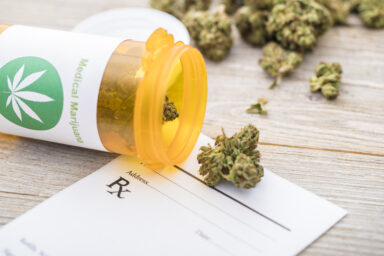 Yes, marijuana can be considered a gateway drug. According to the National Institute on Drug Abuse (NIDA), some findings are consistent with the idea that marijuana can act as a gateway drug, potentially leading to the use of other illicit substances and increasing the risk of developing a substance use disorder.
The theory suggests that using marijuana may lower an individual’s inhibitions and increase their curiosity to experiment with more dangerous drugs. However, it is important to note that not all marijuana users will move on to other illicit drugs, and other factors can contribute to an individual’s likelihood of using additional substances.
These factors include genetic predisposition, environmental influences, and underlying mental health issues. While marijuana may play a role in introducing some individuals to other drugs, it is not the sole cause of progression to more dangerous substances. It is crucial to consider the complex interplay of various factors when assessing whether marijuana is a gateway drug.
Some findings support the notion that marijuana can act as a gateway drug, but it is essential to recognize that numerous factors contribute to this progression.
Teen Addiction Treatment in Southern California
Gateway drugs can include substances like tobacco products, alcohol, and marijuana that may introduce individuals to the world of illicit substances and addiction. Recognizing the risks associated with these drugs and addressing them through prevention efforts, education, and accessible treatment options is essential for promoting mental health and reducing the prevalence of substance use disorders in our society.
If you or a loved one, especially a teenager, is struggling with substance abuse and addiction, please reach out for help. At Morningside Recovery by Lighthouse, we provide evidence-based treatment for teens that addresses the physical and psychological aspects of addiction in a safe and supportive environment. Contact us today to learn more about our program and start your journey to recovery.


