Whether you’ve been prescribed morphine for moderate to severe pain, or have taken it in another form, a common question often arises: how long does morphine stay in your system? This question is particularly relevant if you’re facing a drug test and want to understand the life of morphine within your body.
Morphine, a powerful opioid medication used to treat severe pain, works by altering the way the central nervous system responds to pain. While it can be effective in alleviating discomfort, common side effects of morphine include drowsiness, constipation, and nausea. Understanding how long morphine stays in your system is a complex process, as it depends on several factors. These factors include individual metabolism rate, overall health status, age, and the specific dosage taken.
We’ll discuss the importance of understanding this timeframe, especially in the context of addiction treatment. Morphine, being a Schedule II drug, carries a high potential for developing an addiction. Hence, understanding how long it takes for a single dose to leave your system can be crucial in managing its use and reducing risks.
Read more to learn about the different types of drug tests like urine tests, and how they detect morphine.
How Long Does Morphine Stay in the Blood?
 Morphine, a potent painkiller, is known to have a half-life of roughly 2 to 4 hours in the body. This means that it takes about this duration for half of the drug to be eliminated from your system.
When it comes to detecting morphine in the blood, the window of detection is relatively short. Typically, morphine can be detected in a blood test for approximately 12 hours after the last dose has been taken. It’s crucial to remember that, while the drug might not be detectable in the blood beyond this period, traces of it can still be found in other types of tests such as urine or hair follicle tests for a longer duration. Therefore, the 12-hour mark should not be considered a clear line indicating the complete elimination of the drug from your system.
Morphine Detection in Blood – 12 hours
How Long Does Morphine Stay in the Urine?
A urine drug test, on the other hand, provides a much longer window of detection for morphine. Generally speaking, morphine can be detected in urine samples two to three days after the last dose was taken.
This time frame can vary based on the dosage and frequency of use. For instance, if you take high doses regularly your system will retain traces of morphine for a prolonged period than when you don’t take it very often.
Morphine Detection in Urine – 2 to 3 days
How Long Does Morphine Stay in the Saliva
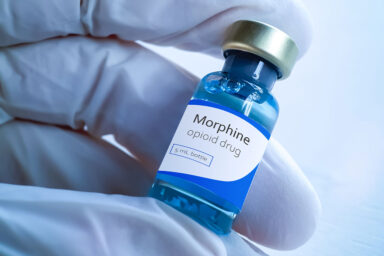 A drug test using saliva can detect morphine for up to 4 days from the time of last consumption. This type of test may be used to check for recent drug use, but may not be as accurate as a blood test for detecting drugs.
That’s why this type of test is not commonly used. The results may also be affected by the amount of oral fluid and other substances present in the mouth. Morphine Detection in Saliva – 4 days
How Long Does Morphine Stay in the Hair
While blood and urine tests are commonly used to detect the presence of drugs like morphine, hair follicle tests offer the longest detection window. This method can typically detect morphine for up to 90 days after the last dose was taken. Hair tests analyze the drug metabolites deposited in the core of the hair shaft, providing a more extended period of potential detection.
However, hair testing is not often used in standard drug screening due to its higher cost and the more complex process required for testing. Additionally, factors such as hair growth rate, hair color, and the amount of drug used can influence the detectability of morphine in hair tests. Despite this, when a long-term history of drug use needs to be examined, hair tests are an effective tool.
Hair – 90 days
Get Help for Opioid Abuse in Southern California from Morningside Recovery
It’s important to remember that understanding how long morphine stays in your system is only the first step in addiction recovery. If you or a loved one are struggling with opioid dependence, Morningside Recovery can help. Our treatment program located in Southern California includes counseling, detoxification services, and medication-assisted therapy (MAT).
You can contact us today to learn more about the various treatment programs we offer and get started on your journey to recovery.


