In celebration of Pride Month, LGBTQ+ communities all around the globe are hosting Pride parades, social awareness campaigns, and many other relevant activities in a continuous effort to fight for gender equality. In the past 50 years, so much has changed as society has become more accepting of the LGBTQ+ cause. Many states and countries have legalized gay marriages and civil unions, as well as enacted laws that protect the rights of this sector. However, there is still a long way to go as there are still so many members of this minority that face unjust experiences every single day.
One of the issues faced by the lesbian, gay, bisexual, trans, and queer community is the availability of addiction treatment programs that are sensitive to their needs. Substance abuse is an increasing problem for many LGBTQ+ individuals, with statistics showing that 20 to 30% of the community exposed to substance abuse. However, there are still very limited options for the LGBTQ+ when it comes to getting proper treatment, which often becomes a hindrance towards recovery.
Why is there a need for LGBTQ+ Inclusive Treatment?
While one might argue that substance abuse is a disease that chooses no one, whatever the age, social standing or sexual orientation, most addiction recovery programs were not historically created to cater to the unique challenges the LGBTQ+ community faces. These difficult situations contribute to the reasons why many of them may turn to substance abuse as well as why they develop other mental health issues such as depression and anxiety.
Some of the most common challenges include the following:
Lack of family support
For many people, their families serve as their support system but many LGBTQ+ people do not have this luxury. Instead, many of them still experience being shunned by their own families because of choosing a different gender. The lack of understanding and acceptance becomes a trigger to turn to substance abuse.
Social discrimination and stigma
There are still many LGBTQ+ individuals who suffer from many forms of discrimination, whether in their careers, their neighborhood or just in their day-to-day life. The stigma attached to this sexual orientation has not been removed completely.
Abuse and harassment
Being abused, harassed, and exposed to violence are very common experiences for the LGBTQ+ community. In 2019, there are still many of them who suffer from physical abuse and hateful speech just because of who they are.
Addressing the needs of the LGBTQ+ community in addiction recovery
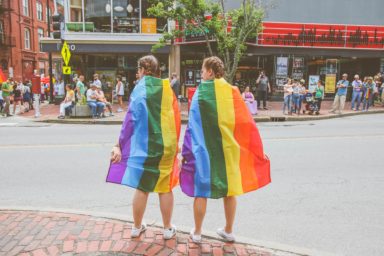 It is very important for addiction treatment centers to consider recovery programs that are inclusive and sensitive to the sexual orientation of their clients. This can pave the way for more LGBTQ+ individuals to consider treatment and work towards long-term recovery. For this to happen, it is imperative that the unique issues are addressed not just as an add-on, but incorporated into an individualized treatment plan. Below are some important notes that could help make LGBTQ+ addiction treatment programs more effective.
LGBTQ+ Inclusive Counselor Training
Counselors and therapists are integral to the recovery of any individual in addiction treatment. According to research, many counselors have the feeling that they are still inadequately trained on how to handle LGBTQ+ clients. If the counselors themselves lack knowledge on the different issues, it would be very difficult for them to help their patients towards recovery. Having a deeper understanding of the treatment needs of this community can help in recommending and providing effective recovery plans.
Non-judgmental attitudes for counselors
Every person is unique with different faith, belief systems, and ideologies. It then follows that everyone has their own biases towards different issues, including those concerning the LGBTQ+ community. To successfully work with these individuals, counselors must not let their own biases or assumptions influence them in providing care and treatment.
Promoting a welcoming environment in a mixed-setting
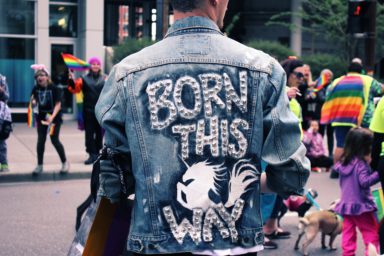 Many people belonging to the LGBTQ+ community are apprehensive of getting treatment in a residential facility because they fear that they will only face further discrimination from other heterosexual residents. There have been many accounts of discrimination in treatment settings happening in the United States, wherein gay residents experienced verbal and physical abuse, as well as restrictions that force them to adhere to their biological gender.
When this happens, it becomes a roadblock towards recovery because it only intensifies the issues faced by these individuals. It could lead to very awkward and uncomfortable experiences that can have negative lasting effects on the recovery of the individual.
It is very important that residential treatment facilities are proactive in promoting an inclusive and welcoming environment, especially if it is in a mixed setting. Personal biases, use of insensitive language like sexual slurs or gay jokes must be avoided as this could result in LGBTQ+ individuals leaving the treatment center.
Choosing an LGBTQ+ Inclusive Addiction Treatment Facility
Whatever your sexual orientation is, you have the opportunity to fight addiction and regain long-lasting sobriety. Choosing a residential facility that will embrace you for who you are is very important. This will provide you with the support and empathy that you deserve as you start a new chapter in your life.
Morningside Recovery by Lighthouse offers LGBTQ + substance treatment programs that are geared towards your individual and unique needs. Contact us today to learn more.


