Different types of drugs and substances deliver varying effects on the human body. Some substances are considered stimulants, while others have depressant effects. One popular substance that often sparks debates about its effects is weed, also known as marijuana or cannabis.
Is weed a stimulant? Or is it a depressant? In this blog post, we will answer this question and explain the effects of weed. By the end of this post, you will have a better understanding of how weed affects the body and mind.
What is weed?
Weed, also known as cannabis or marijuana, is a plant that has been used for medicinal and recreational purposes for thousands of years. It contains compounds called cannabinoids, the most well-known being THC (tetrahydrocannabinol) and CBD (cannabidiol).
THC is responsible for the psychoactive effects that make users feel “high,” while CBD is known for its potential therapeutic benefits without causing intoxication. Weed can be consumed in various forms, including smoking, vaping, edibles, and oils.
Is weed a stimulant?
 No, weed is not considered a stimulant. Stimulants are substances that increase activity in the central nervous system and can cause an increase in energy, alertness, and heart rate. Weed has different effects on different people, but it is generally classified as a depressant or sedative.
However, in small amounts, weed can exhibit some stimulant-like effects. Users may initially experience increased heart rate, heightened senses, and a temporary boost in energy and mood. This is due to the activation of the brain’s reward system, leading to the release of dopamine, a neurotransmitter associated with pleasure and motivation. However, these effects are typically short-lived and not as pronounced as those produced by traditional stimulants like caffeine or amphetamines.
Is weed a depressant?
Yes, weed is primarily classified as a depressant. Depressants are substances that slow down brain function and the central nervous system. The depressant effects of weed include relaxation, sedation, and a sense of calm. These effects are often why people use weed to help with anxiety, stress, or insomnia.
However, it’s essential to note that the impact of weed can vary widely depending on the strain, dosage, and individual user. Some people may experience paradoxical reactions, feeling anxious or paranoid instead of relaxed.
Why do people mistake weed for a stimulant?
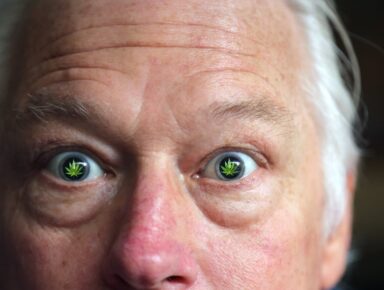 People often mistake weed for a stimulant because of its initial effects, which can include increased alertness and euphoria. When THC enters the bloodstream, it activates the brain’s reward system, causing a temporary spike in dopamine levels. This can lead to feelings of excitement and energy, similar to those produced by stimulants.
However, as these initial effects wear off, the depressant qualities of weed become more apparent. Additionally, the cultural portrayal of weed in media and popular culture can contribute to this misconception, as it is sometimes depicted as an energizing and creativity-boosting substance.
Can weed abuse lead to addiction?
There have been many debates about whether weed is addictive or not. While it may not cause physical dependence like other substances, it can lead to psychological addiction in some individuals. This means that they may feel a strong urge to use weed regularly and experience negative consequences when trying to stop.
Additionally, prolonged and heavy use of weed has been linked to changes in brain chemistry and functioning, which can contribute to addiction. It’s essential for individuals who use weed recreationally to be mindful of their consumption patterns and seek help if they feel unable to control their usage.
Best substance abuse treatment center in Southern California
While some may not consider weed as an addictive substance, being dependent on marijuana can still have detrimental effects on an individual’s mental and physical health. It can also affect relationships, careers, and overall well-being.
If you or someone you know is struggling with weed abuse, seeking professional help from a substance abuse treatment center can provide the necessary support and resources for recovery. In Southern California, you can reach out to Morningside Recovery by Lighthouse. Our personalized treatment plans and experienced staff can help individuals overcome their addiction and achieve long-term recovery from substance abuse.


