We often hear of people having a “bad trip” after using the illicit drug LSD, but can you actually overdose on the drug? This is often a question people have who want to experiment with some psychedelics. The short answer is, yes, it is possible to overdose on LSD, although it’s not very common.
Many different studies have tried to explore the answer to the question. However, there are also different outcomes. Some people claim that it’s impossible to overdose on LSD, while others believe it can happen.
Most of the time when someone takes too much LSD, it’s not fatal and the symptoms usually pass after a few hours. This is the reason why some people don’t want to classify taking too much of this drug as an “overdose”.
What Is LSD?
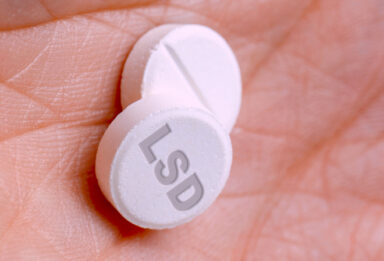 LSD, or lysergic acid diethylamide, is a strong hallucinogenic drug that has been popular since the 1960s. It is known for its mind-altering effects, including auditory and visual hallucinations, distorted sense of time, and intense sensory experiences.
It is classified as a hallucinogen and acts on the serotonin receptors in the brain, causing significant alterations in perception, mood, and thought. LSD is most commonly consumed orally, either through blotter papers soaked in the drug or as a liquid form.
While LSD is not considered to be physically addictive, it is essential to understand the potential dangers associated with its use.
Can You Overdose on LSD?
When it comes to LSD, the concept of overdose is slightly different from other drugs. While it is rare to experience a life-threatening physical overdose from LSD alone, taking excessive doses can lead to a dangerous state known as a “bad trip.”
A bad trip is characterized by intense anxiety, panic, and feelings of extreme discomfort, which can potentially lead to self-harm or harm to others.
In some cases, individuals may accidentally consume higher doses of LSD than intended due to variations in the potency of the drug or misrepresentation of dosage. This can significantly increase the risk of experiencing negative effects and psychological distress.
Dangers of Too Much LSD
 While some argue that LSD addiction is not physically possible as LSD does not cause physical dependence, the truth is that there are still many dangers of consuming too much LSD.
One of the significant dangers associated with consuming too much LSD is the unpredictability of its effects. The intensity of an LSD trip can vary widely from person to person, making it challenging to predict how an individual will react to a particular dose. At higher doses, the risk of experiencing a bad trip increases, which can result in panic attacks, paranoia, and delusions.
Another concern with excessive LSD use is prolonged psychological distress. While the effects of LSD typically last for around 12 hours, an overdose can prolong the experience and intensify the negative effects. This extended duration can be mentally exhausting and emotionally taxing, potentially leading to long-term mental health issues.
Recognizing the signs of LSD abuse and seeking help early is crucial. Some common symptoms of an LSD overdose or abuse include:
- Visual or auditory hallucinations
- Distorted sense of time and perception
- Increased heart rate and blood pressure
- Profound anxiety or panic attacks
- Delusions and paranoia
- Disrupted sleep patterns
- Persistent feelings of depression or anxiety
- Impaired judgment and decision-making
Getting Help for Substance Abuse
While physical overdose on LSD is rare, the dangers associated with excessive use should not be overlooked. The unpredictable nature of LSD trips and the potential for a bad trip can lead to intense psychological distress and long-term side effects.
If you or someone you know is struggling with LSD abuse or experiencing the negative effects of an LSD bad trip or overdose, it is essential to seek help promptly. While physical overdose is rare, the psychological impact of excessive LSD use should not be underestimated.
Recovery from LSD abuse can involve various approaches, including counseling, support groups, and holistic therapies. Medical intervention may be necessary in severe cases of a bad trip or if individuals exhibit dangerous behavior.
It is crucial to address the underlying causes of substance abuse and develop healthy coping mechanisms to prevent relapse. Mental health professionals can provide guidance, support, and therapy to individuals dealing with the aftermath of an LSD overdose or struggling with substance abuse.


