Many people use drugs and alcohol as a form of escape to forget the issues they have in their lives. They turn to harmful substances thinking that it will be a way for them to relax and get away from all of life’s stresses. But what many people should realize is that they can use exercise as an alternative in order to feel better and happier. Unlike substance abuse, the positive feelings delivered by exercise last longer and exercise also has beneficial effects on the body not only physically but also mentally as well.
Studies also support that physical activity is beneficial for recovering addicts. There are also evidences that exercise can help conquer addiction. Of course, not many people like the idea of toiling in the gym but the good news is that exercise does not need to be difficult and boring. You can diversify your fitness routine by trying out these different fitness classes while in addiction recovery.
1. Yoga
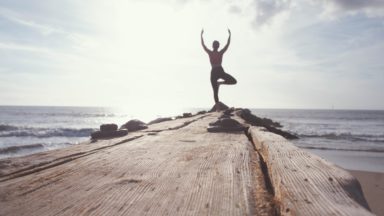 Yoga is an amazing exercise that can help recovering addicts cope with their chaotic thoughts. It is a low-intensity workout that can help them clear their minds and think more positive thoughts. A yoga practice can also help people become more aware of their body and their environment.
There are many different types of yoga classes available in the US. Beginners can try the classic Hatha Yoga for a slower practice, while those who are looking for a more dynamic class can go for Vinyasa Yoga. There are also the trendier yoga classes like Bikram Yoga, Hot Yoga, and Detox Yoga.
2. Combat Sports
 Recovering addicts often experience so much repressed aggression, anger, and frustrations. Because they do not have an outlet to let all these emotions out, they often turn to drugs and alcohol instead. Engaging in combat sports like boxing, kickboxing, taekwondo, and other martial arts could help addicts refocus their energies in a safe space.
Early this year, it was reported that Hollywood celebrity Demi Lovato has been focusing on her health and recovery since leaving rehab due to an overdose in 2018. The singer posted on Instagram that she has been spending time learning Brazilian Jiu-Jitsu and has earned her second-degree blue belt in March 2019.
3. Dance Workouts
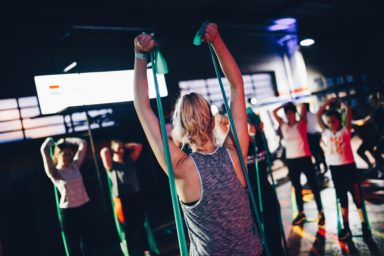 Dance workouts are amazing picker-uppers. Grooving to a catchy tune will absolutely make anyone feel much better. This fact has been backed by science with studies reporting that dancing even for just five minutes can boost happiness.
Many popular dance classes like Zumba, Hip-Hop Funk, and BodyJam can be enjoyed by everyone, regardless if they have dancing skills or not. Even if someone has two left feet, it will still be possible to take part and complete a class. The dance sessions typically run for 45 to 60 minutes per class, with most classes having a fun, welcoming atmosphere. These are also great cardio workouts that can burn major calories in one session.
4. Aqua Aerobics
Yes, this is a thing! Many gyms and fitness clubs are now maximizing their in-house pools by offering this low-impact workout. In this class, water is the main form of resistance. Aqua aerobics can help a person build cardiovascular stamina, flexibility, and strength.
But why does it help people in recovery? Immersing in water can be a form of therapy. There have been many studies showing that water makes people feel better and happier. For people who are not great swimmers, attending an aqua aerobics class can be a great alternative.
5. HIIT
HIIT stands for High-Intensity Interval Training which is an effective training technique that consists of short bursts of intense physical activity paired with intervals of quick rests. HIIT workouts can be done with equipment of even with bodyweight exercises.
HIIT routines are designed to burn serious fat so it is perfect for people who want to transform the bodies they’ve taken for granted during their addiction days.
6. Indoor Cycling
Indoor cycling has evolved from just a stationary bike in a sad gym, to a full-blown fitness party. SoulCycle, RealRyder, and FlyWheel cycling classes have reinvented this form of exercise into a full body workout. Aside from the physical benefits, many enthusiasts also love the sense of community provided by indoor cycling.
In SoulCycle classes, for instance, the instructors offer empowering mantras to encourage the class that they can do more. Mantras like “You are stronger and more awesome than you think”, “Today is a good day to have a good day”, and “There is no change without a challenge” can be heard across the cycling studios. This can serve as inspiration and even a form of therapy for many people.
7. Parkour Classes
Parkour classes are offered to teach people how to safely practice this sport while still enjoying the freedom of movement it offers. This is great for those who love to run, jump, and climb. While parkour is not something that can be learned in a single session, the discipline and training involved to master this extreme sport can help recovering addicts in their sobriety journey.
Aside from the adrenaline rush, practicing parkour can also have a therapeutic effect as it can help a person mentally condition themselves on how to overcome not only physical obstacles but also challenges in their lives as well.
If you or a loved one is struggling with substance abuse, it’s not too late to get your life back.
At Morningside Recovery by Lighthouse, we incorporate enjoyable fitness classes and adventure programs in our treatment plans to give our residents a holistic recovery experience.


